Mutual understanding between Husband and Wife


People in long-lasting marriages know less about their partners than people in shorter relationships, says a new research.
It is found that couples married for an average of 40 years know less about one others food, movie and kitchen-design preferences than do partners who have been married or in committed relationships for a year or two.
Understanding and knowing your partner is important as it can be.

Here are some tips on understanding a husband.
·         Men tend to get aggressive and angry faster than women. This is because their hypothalamus is larger than that of women. As a result of which when provoked, the hypothalamus heightens rage, hunger desire and thirst.
·         Men are for more upset than their woman counterparts, if their wives have betrayed them. Just the thought of their wives sleeping with someone else can drive them mad and make them very violent.
·         Men feel worth living when they have something to drive them, to challenge them. They see themselves more as independent achievers.
·         Men most five basic requirements from a marriage are- Sexual fulfillment, Companionship, Attractive Spouse, Admiration and Domestic Support. Men feel incompetent when women offer them help. They like receiving help, only when they ask for it.
·         Most wives know and respect the husband as head of the house but we as wives have important roles to fulfill in the marriage as well. With understanding your wife and her needs you can't go wrong.

Here are some instructions on understanding your wife.
·         Understanding your wife is to slow down. Think about her and her needs in general what does she want? What are her Goals? How well do you know the lady you married? Sit down, forget about you. Draw from her all of her goals, aspirations, desires and dreams. When she is talking, make eye contact, smile or even touch her.
·         Listen to what she says. So many times men are so busy on the computer, watching movies or even working on something at the house. Take the time to stop what you are doing. When talking doesn’t just blurt out anything in response, but say something worthwhile and meaningful or even tell her to let you think about it. Always watch your tone and manner.
·         Understanding your mate is to live with integrity, honor and respect. This means even when your spouse is not around. Remember, what you do will come back to you. It can come back in many forms shapes and situations. It’s important that couple keep the marriage bed undefiled.


Source: telugu-news

Oral Health Tips for Children. . .


There's no need to wait until your baby actually has teeth to lay the foundations for good oral or general health. In fact, good nutrition and oral hygiene can start right away. It is up to you to develop the routines that will help protect your child from tooth decay and other oral health problems. So let's get started!


1) Start Proper Oral Hygiene Habits ASAP

Gently clean your infant's gums and newly erupting first teeth after each feeding with a water-soaked gauze pad to clean around the teeth and gums.

2) Brush with Care

When your baby's teeth begin to erupt, brush them gently with a small, soft-bristled toothbrush using no more than a thin smear of fluoridated toothpaste.

3) Teach Your Children

When your child turns 2, you can begin to teach your child proper brushing techniques with no more than a pea-sized amount of fluoridated toothpaste. You should follow up their efforts by gently brushing the teeth again. Modeling correct technique is important. When your child is about 6 years old, he/she should be developing the dexterity to do it alone. You can then introduce flossing.

4) Check Your Water

Determine if the water supply that serves your home is fluoridated. If it is not, discuss supplement options with your dentist. Keep in mind that toothpastes and various foods may also contain fluoride.

5) Fight Baby Bottle Tooth Decay

Don't let your child go to sleep with a pacifier or bottle filled with anything but water. When teeth are frequently exposed to sugar-containing fluids (including breast milk and formula) for long periods, the potential for decay increases dramatically.

6) Avoid Sugar

Understand that if your child ingests sugars, it will take the saliva a minimum of 30 minutes to neutralize the acidity that is created by decay-producing bacteria. A sugary snack every hour can mean your child's mouth is always acid, increasing the chances for tooth decay.

7) Make a Dental Appointment

Your child should see a dentist around the time of his/her first birthday and then regularly thereafter. It is important to establish a dental home. Your pediatric or general dentist will teach you how to prevent dental disease, check for cavities in the primary teeth and watch for developmental problems, and set a positive precedent for future visits.

8) Prevent Cavities

Ask your dentist about dental sealants and fluoride applications to protect your child's teeth. Sealants can prevent food from getting stuck in the tiny grooves on the chewing surfaces and topical fluoride will strengthen the enamel against decay.

9) Keep Your Cool

If you feel anxious about a visit to a dental professional, try not to convey these feelings to your child. This is very important for emotional well-being. Encourage your child to discuss any fears he/she might have about visiting a dentist, but don't put any new fears into his/her head. It is a good rule of thumb not to mention the words “hurt” or “pain” as it raises a possibility he/she might not have thought of.

10) Childproof Your Home

Research has shown that children under age 7 sustain over half of the dental injuries to their primary (baby) teeth playing in close proximity to home furniture.

Did you know?
A baby's primary teeth begin forming before birth — at about the sixth week of pregnancy, and begin mineralizing at around the third to fourth month of pregnancy. To ensure proper dental development, the mother's diet must be adequate in all nutrients, especially calcium, phosphorous, and protein.


Source: deardoctor

Green Barley as “Medicine” in Cancer and Other Diseases


Barley Green: On the Health Benefits of Barley Grass

Barley
  One of the seven sacred cereals, barley comes from the eastern Balkans. From an esoteric point of view, barley is considered a mild nourishing force which stimulates the heart and is used for easing the emotional tension of a person.

Description
Barley is a type of cereal which can reach heights of around 0.7 to 1.2 meters. The plant's fruit is ear shaped. This way there are a number of types of barley, depending on the number of granules on the ear: summer and winter barley. The winter barley is used for feeding animals because of the inferior quality of its granules.

Nutritional Values
When it reaches a height of 20 - 30 cm, barley contains the most nutritive resources necessary for the human body. Thus, barley leafs contain vitamins B (B1, B2, B6, and B12), vitamins E and C, a great amount of iron, calcium, manganese, magnesium, molybdenum, germanium, zinc, copper, lithium, bioflavonoid, polysaccharides, and polypeptides.                                   

The green stem of barley, apart from containing vitamins, minerals and enzymes, also contains natural hormones and chlorophyll. These nutritive substances give barley antioxidant, anti-inflammatory, anti-cancer and antiviral properties. Unlike most plants, barley grass provides all nine essential amino acids (those which your body can't produce).

Healing Claims
Barley grass is a powerful antioxidant that is believed to help the body kill cancer cells and overcome a variety of ailments, including acne and ulcers.

An antioxidant called alpha-tocopherol succinate - a potent relative of vitamin E (alpha-tocopherol) may be responsible for much of the plant's anti-tumor action, according to Allan L. Goldstein, Ph.D., head of the biochemistry department at George Washington University's School of Medicine and Health Sciences in Washington, D.C., who has studied barley grass. Though its mechanism is unknown, alpha-tocopherol succinate seems to inhibit several types of cancer, including leukemia, brain tumors, and prostate cancer.

Barley helps improve memory, bringing clarity in thought. Also, it eases stomach pains, heals ulcers, and lessens arthritic pains and inflammations. In obesity it helps eliminate weight excess. Green barley juice has an anti-inflammatory effect, revitalizing the tegument and curing it of its dryness. The plant shows visible results in the fight against collagen and leukemia, also neutralizing the toxic effects of tobacco. 

Other diseases in which the treatment with barley is utilized: anorexia, anemia, stomatitis, pancreatitis, miocardic arrest, bronchic asthma, arthritis, and epilepsy. Barley stimulates the drainage and regeneration of the liver, activates the immune system helping in the fight against the hepatic virus. 

Barley can fights Diabetes
Barley is an excellent food choice for those concerned about type 2 diabetes or pre-diabetes because the grain contains essential vitamins and minerals and is an excellent source of dietary fiber, particularly beta-glucan soluble fiber.  Research shows that barley beta-glucan soluble fiber promotes healthy blood sugar by slowing glucose absorption.

A long-term study published in the August 2007 edition of the Diabetes Research and Clinical Practice journal reported a 30-percent decrease in HbA1c (average blood glucose level) in type 2 diabetics who consumed a healthy diet including pearl barley that supplied 18 grams of soluble fiber a day. Regardless of the form of the grain, there is always a ready source of beta-glucan soluble fiber in barley. 


Is barley a good fiber choice?
Yes! Barley is an excellent choice when it comes to adding both soluble and insoluble fiber to the diet. Our favorite grain compares favorably to other grains in total dietary fiber content. For example, a ½-cup serving of cooked pearl barley contains 3 grams of dietary fiber. In comparison, a ½-cup serving of long-grain brown rice contains 1.75 grams dietary fiber. One-half-cup serving of white long-grain rice contains less than 1 gram of dietary fiber.

NUTRIENT PROFILE
BY WEIGHT, dehydrated barley grass has 11 times the calcium of cow's milk, 5 times the iron of spinach, and more protein than sirloin steak. About 2 teaspoons (6 g) of barley grass powder contains the following:
CALORIES 17 
PROTEIN 1.4g 
CALCIUM 30mg 
IRON 3mg 
POTASSIUM 170mg 
VITAMIN A 3,120 IU 
VITAMIN B1 15 mcg 
VITAMIN B2 140 mcg 
FOLIC ACID 52 mcg 
VITAMIN B12 1.7 mcg 
VITAMIN C 19 mg 
CHLOROPHYLL 32.6 mg

"[Barley Grass is] one of the most incredible products of this decade. It improves stamina, sexual energy, clarity of thought, and reduces addiction to things that are bad for you. It also improves the texture of the skin and heals the dryness associated with aging."


Sources: barleyfoods.org
              “Barley Grass”, by Betsy Block, NATURAL HEALTH Magazine Oct. 1999

Best Quit Smoking Tips Ever. . .


Best Quit – Smoking Tips ever

"The idea is to get the smoker to do something with the hands and mouth that is not smoking -- but it might actually be good to engage in some of these behaviors before quitting.

1. Know Why You Want to Quit
So you want to quit smoking, but do you know why? "Because it's bad for you" isn't good enough. To get motivated, you need a powerful, personal reason to quit. Maybe you want to protect your family from secondhand smoke. Maybe the thought of lung cancer frightens you. Or maybe you’d like to look and feel younger. Choose a reason that is strong enough to outweigh the urge to light up.

2. Don't Go Cold Turkey
It may be tempting to toss your cigarettes and declare you've quit, plain and simple. But going cold turkey isn't easy to do. Ninety-five percent of people who try to stop smoking without therapy or medication end up relapsing. The reason is that nicotine is addictive. The brain becomes used to having nicotine and craves it. In its absence, the symptoms of nicotine withdrawal occur.

3. Try Nicotine-Replacement Therapy
When you stop smoking, nicotine withdrawal may make you feel frustrated, depressed, restless, or irritable. The craving for "just one drag" may be overwhelming. Nicotine-replacement therapy can help reduce these feelings. Studies suggest nicotine gum, lozenges, and patches can help double your chances of quitting successfully when used with an intensive behavioral program. But using these products while smoking is generally not recommended.

4. Ask About Prescription Pills
To ease nicotine withdrawal without using products that contain nicotine, ask your doctor about prescription medications. There are pills that help reduce cravings by affecting chemicals in the brain. They may also make smoking less satisfying if you do pick up a cigarette. Other drugs can help reduce troubling withdrawal symptoms, such as depression or inability to concentrate.

5. Don't Go It Alone
Tell your friends, family, and co-workers that you're trying to quit. Their encouragement could make the difference. You may also want to join a support group or talk to a counselor. Behavioral therapy is a type of counseling that helps you identify and stick to quit-smoking strategies. Combine behavioral therapy with nicotine replacement products and/or medication to boost your odds of success.

6. Manage Stress
One reason people smoke is that the nicotine helps them relax. Once you quit, you’ll need another way to cope with stress. Try getting regular massages, listening to relaxing music, or learning yoga or tai chi. If possible, avoid stressful situations during the first few weeks after you stop smoking.

7. Avoid Alcohol, Other Triggers
Certain activities may boost your urge to smoke. Alcohol is one of the most common triggers, so try to drink less when you first quit. If coffee is a trigger, switch to tea for a few weeks. And if you usually smoke after meals, find something else to do instead, like brushing your teeth or chewing gum.

8. Clean House
Once you've smoked your last cigarette, toss all of your ashtrays and lighters. Wash any clothes that smell like smoke and clean your carpets, draperies, and upholstery. Use air fresheners to help rid your home of that familiar scent. You don't want to see or smell anything that reminds you of smoking.

9. Try and Try Again
It's very common to have a relapse. Many smokers try several times before giving up cigarettes for good. Examine the emotions and circumstances that lead to your relapse. Use it as an opportunity to reaffirm your commitment to quitting. Once you've made the decision to try again, set a "quit date" within the next month.
10. Get Moving
Physical activity can help reduce nicotine cravings and ease some withdrawal symptoms. When you want to reach for a cigarette, put on your inline skates or jogging shoes instead. Even mild exercise is helpful, such as walking the dog or pulling weeds in the garden. The extra calories you burn will also ward off weight gain as you quit smoking.

11. Eat Fruits and Veggies
Don't try to diet while giving up cigarettes -- too much deprivation is bound to backfire. Instead, focus on eating more fruits, vegetables, and low-fat dairy products. A Duke University study suggests these foods make cigarettes taste terrible. This gives you a leg up in fighting your cravings while providing disease-fighting nutrients.

12. Choose Your Reward
In addition to the tremendous health benefits, one of the perks of giving up cigarettes is all the money you will save. Reward yourself by spending part of it on something fun.

13. Do It for Your Health
There's more than the monetary reward to consider. Smoking cessation has immediate health benefits. It lowers your blood pressure and reduces your pulse after only 20 minutes. Within a day,  the carbon monoxide level in your blood returns to normal. Within two weeks to three months, your risk of a heart attack decreases and your lungs begin to function better. Long-term benefits include a reduced risk for coronary heart disease, stroke, lung cancer, and other cancers.

BONUS TIP: THINK POSITIVE. This is the most important tip of all. I saved it for last. If you have a positive, can-do attitude, as corny as it may sound, you will succeed. Trust me. It works. Tell yourself that you can do it, and you will. Tell yourself that you can’t do it, and you definitely won’t. When things get rough, think positive! You CAN make it through the urge. You CAN make it through Hell Week. And you can. I did. So have millions of others. We are no better than you. 


Beets... Wonderful Benefits of Beets!! . . .


Beets
The beets belong to the same family as chard and spinach. Beet leaves have a bitter taste like chard, but is rich in chlorophyll. Although bitter, the greens have a higher nutritional value than its roots.

Both beet root and beet greens are very powerful cleansers and builders of the blood. Betacyanin is the phytochemical in beet that gives it its rich 'amethyst' color that significantly reduces homocysteine levels.

Beets are loaded with vitamins A, B1, B2, B6 and C. The greens have a higher content of iron compared to spinach. They are also an excellent source of calcium, magnesium, copper, phosphorus, sodium and iron.

While the sweet beet root has some of the minerals in its greens to a lesser degree, it is also a remarkable source of choline, folic acid, iodine, manganese, organic sodium, potassium, fiber and carbohydrates in the form of natural digestible sugars.

Its iron content, though not high, is of the highest and finest quality that makes excellent food that is blood building. This renders it highly effective in treating many ailments caused by our toxic environment and surrounding.


Beets have long been known for its amazing health benefits for almost every part of the body. And yet, it is something that very few people take, much less its juice.

I juice at least six to eight beets every day. I mix it with organic carrot, red cabbage, kale, spinach, parsley and apple. I consider beets one of the most important foods in my diet. If there is one food I couldn't live without, it is beets.

The benefits of organic beets are miraculous. Beets should be considered a medicine and eaten and juiced every day to prevent disease. Drinking beet juice every day is the most valuable tool in detoxing. You need to detox every day, not just a few days a year.

Look below at the benefits: 

Acidosis: Its alkalinity is essential and effective in combating acidosis.

Anemia: The high content of iron in beets regenerates and reactivates the red blood cells and supplies fresh oxygen to the body. The copper content in beets help make the iron more available to the body. A great blood builder.

Atherosclerosis: This wonderful crimson juice is a powerful solvent for inorganic calcium deposits that cause the arteries to harden.

Blood pressure: All its healing and medicinal values effectively normalize blood pressure, lowering high blood pressure or elevating low blood pressure.

Cancer: Betaine, an amino acid in beet root, has significant anti-cancer properties. Studies show that beets juice inhibits formation of cancer-causing compounds and is protective against colon or stomach cancer.

Constipation: The cellulose content helps to ease bowel movements. Drinking beets juice regularly will help relieve chronic constipation.

Detoxification: The choline from this wonderful juice detoxifies not only the liver, but also the entire system of excessive alcohol abuse, provided consumption is ceased.

Gastric ulcer: Mix honey with your beets juice and drink two or three times a week on an empty stomach (more frequently if your body is familiar with beets juice). It helps speed up the healing process.

Gall bladder and kidney ailments: Coupled with carrot juice, the superb cleansing virtues are exceptional for curing ailments relating to these two organs.

Gout: Another ailment that can be greatly helped by the cleansing that beets have to offer.

Liver or bile: The cleansing virtues in beets juice is very healing for liver toxicity or bile ailments, like jaundice, hepatitis, food poisoning, diarrhea or vomiting. A squeeze of lime with beets juice heightens the efficacy in treating these ailments.

Varicose veins: In similar ways that it helps to keep the elasticity of arteries, regular consumption of beets juice also helps prevent varicose veins.

Forget the creams and the facelift to anti-age. Anti-aging starts from the inside of your body. Your heart, liver, kidneys and blood will reflect on the outside. Drink lots of beets, kale, spinach, parsley, and carrots every day to prevent disease and to maintain pristine health. Make salads with tons of organic red cabbage, beets, spinach, kale, carrots, sprouted beans and eat it regularly like your life depended on it-----because it actually does!

Cancer Fighting Foods, Herbs and Spices...


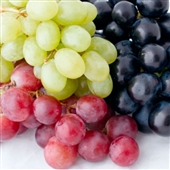
Grapes, red contain bioflavonoids, powerful antioxidants that work as cancer preventives. Grapes are also a rich source of resveratrol, which inhibits the enzymes that can stimulate cancer-cell growth and suppress immune response. They also contain ellagic acid, a compound that blocks enzymes that are necessary for cancer cells - this appears to help slow the growth of tumors.

Broccoli, cabbage, and cauliflower have a chemical component called indole-3-carbinol that can combat breast cancer by converting a cancer-promoting estrogen into a more protective variety. Broccoli, especially sprouts, also have the phytochemical sulforaphane, a product of glucoraphanin - believed to aid in preventing some types of cancer, like colon and rectal cancer. Sulforaphane induces the production of certain enzymes that can deactivate free radicals and carcinogens. It appears that the bitterer the broccoli is, the more glucoraphanin it has. Broccoli sprouts have been developed under the trade name BroccoSprouts that have a consistent level of sulforaphane - as much as 20 times higher than the levels found in mature heads of broccoli. Studies show that consumption of green and yellow leafy vegetables has been associated with lower levels of stomach cancer.

Avocados are rich in glutathione, a powerful antioxidant that attacks free radicals in the body by blocking intestinal absorption of certain fats. They also supply even more potassium than bananas and are a strong source of beta-carotene. Scientists also believe that avocados may also be useful in treating viral hepatitis (a cause of liver cancer), as well as other sources of liver damage.


Chili peppers and jalapenos contain a chemical, capsaicin, which may neutralize certain cancer-causing substances (nitrosamines) and may help prevent cancers such as stomach cancer. 


Cruciferous vegetables - broccoli, cauliflower, kale, Brussels sprouts, and cabbage contain two antioxidants, lutein and zeaxanthin that may help decrease prostate and other cancers. 


Garlic has immune-enhancing allium compounds (dialyl sultides) that appear to increase the activity of immune cells that fight cancer and indirectly help break down cancer causing substances. These substances also help block carcinogens from entering cells and slow tumor development. Their studies didn't show garlic supplements had the same effect. It is believed garlic may help prevent stomach cancer because it has anti-bacterial effects against a bacterium, Helicobacter pylori, found in the stomach and known to promote cancer there. 

Figs apparently have a derivative of benzaldehyde. It has been reported that investigators at the Institute of Physical and Chemical Research in Tokyo say benzaldehyde is highly effective at shrinking tumors, though I haven't seen this report. In addition, figs, which contain vitamins A and C, and calcium, magnesium and potassium, may curtail appetite and improve weight-loss efforts. Fig juice is also a potent bacteria killer in test-tube studies.


Grapefruits, like oranges and other citrus fruits, contain monoterpenes, believed to help prevent cancer by sweeping carcinogens out of the body. Some studies show that grapefruit may inhibit the proliferation of breast-cancer cells in vitro. They also contain vitamin C, beta-carotene, and folic acid

Mushrooms - There are a number of mushrooms that appear to help the body 
fight cancer and build the immune system - Shiitake, maitake, reishi, Agaricus blazei Murill, and Coriolus Versicolor. These mushrooms contain polysaccharides, especially Lentinan, powerful compounds that help in building immunity. They are a source of Beta Glucan. They also have a protein called lectin, which attacks cancerous cells and prevents them from multiplying. They also contain Thioproline. These mushrooms can stimulate the production of interferon in the body.


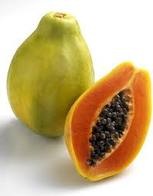
Papayas have vitamin C that works as an antioxidant and may also reduce absorption of cancer-causing nitrosamines from the soil or processed foods. Papaya contains folacin (also known as folic acid), which has been shown to minimize cervical dysplasia and certain cancers.


Raspberries contain many vitamins, minerals, plant compounds and antioxidants known as anthocyanins that may protect against cancer. A diet containing 5% black raspberries was more effective than a diet containing 10% black raspberries. Research reported in the journal Nutrition and Cancer in May 2002 shows black raspberries may also thwart colon cancer. Black raspberries are rich in antioxidants, thought to have even more cancer-preventing properties than blueberries and strawberries. 


Rosemary may help increase the activity of detoxification enzymes. An extract of rosemary, termed carnosol, has inhibited the development of both breast and skin tumors in animals. We haven't found any studies done on humans. Rosemary can be used as a seasoning. It can also be consumed as a tea: Use 1 tsp. dried leaves per cup of hot water; steep for 15 minutes. 


Red wine, even without alcohol, has polyphenols that may protect against various types of cancer. Polyphenols are potent antioxidants; compounds that help neutralize disease-causing free radicals. Also, researchers found the compound resveratrol, which is found in grape skins. It appears that resveratrol inhibits cell proliferation and can help prevent cancer. However, the findings didn't extend to heavy imbibers, so it should be used in moderation. In addition, alcohol can be toxic to the liver and to the nervous system, and many wines have sulfites, which may be harmful to your health. Note: some research indicates that alcohol is considered a class "A" carcinogen which can actually cause cancer - You should probably switch to non-alcoholic wines. 

Seaweed and other sea vegetables contain beta-carotene, protein, vitamin B12, fiber, and chlorophyll, as well as chlorophylones - important fatty acids that may help in the fight against breast cancer. Many sea vegetables also have high concentrations of the minerals potassium, calcium, magnesium, iron, and iodine.

Teas: Green Tea and Black tea contain certain antioxidants known as polyphenols (catechins) which appear to prevent cancer cells from dividing. Green tea is best, followed by our more common black tea. According to research, these polyphenols that are abundant in green tea, red wine and olive oil, may protect against various types of cancer. Dry green tea leaves, which are about 40% polyphenols by weight, may also reduce the risk of cancer of the stomach, lung, colon, rectum, liver and pancreas, study findings have suggested. 

Tapioca is derived from the cassava plant. It is one of the many plants that manufacture cyanide by producing a chemical called linamarine which releases hydrogen cyanide when it is broken down by the linamarase enzyme.


Nuts contain the antioxidants quercetin and campferol that may suppress the growth of cancers. Brazil nut contains 80 micrograms of selenium, which is important for those with prostate cancer. (Note: Many people are allergic to the proteins in nuts, so if you have any symptoms such as itchy mouth, tight throat, wheezing, etc. after eating nuts, stop. Consider taking a selenium supplement instead or work with someone on how to eliminate this allergy.)


Tomatoes contain lycopene, an antioxidant that attacks roaming oxygen molecules, known as free radicals that are suspected of triggering cancer. It appears that the hotter the weather, the more lycopene tomatoes produce. They also have vitamin C, an antioxidant which can prevent cellular damage that leads to cancer. Watermelons, carrots, and red peppers also contain these substances, but in lesser quantities. It is concentrated by cooking tomatoes. Scientists in Israel have shown that lycopene can kill mouth cancer cells. An increased intake of lycopene has already been linked to a reduced risk of breast, prostate, pancreas and colorectal cancer. (Note: Recent studies indicate that for proper absorption, the body also needs some oil along with lycopene.)


Low Cholesterol Recipes That You Can Use


Low Cholesterol Recipes That You Can Use

Eating well should be of course our main concern when we are on a low cholesterol diet. You can lower your total blood triglycerides and your cholesterol naturally by eating good healthy foods that will improve your overall health and diminish the risk of a heart attack. One way to implement this is by incorporating low cholesterol recipes in your daily menu instead of eating junk food.


There are a number of restaurants where you can find good low cholesterol food but you can prepare delicious low cholesterol recipes right in your own home. Choosing to eat healthy doesn´t necessarily means to give up with good tasty menus. You can have a healthy diet with a lot of good flavors and choices while at the same time improving your health. You have to get rid of foods with high levels of fat when trying to lower your bad cholesterol levels. This seems obvious but many people just don´t do it because they think there cannot find good low cholesterol recipes to replace the unhealthy menus.


There are many delicious combinations of fishes and vegetables and different flavors that can be mixed in a good and healthy low fat diet that will improve your health. Eating low cholesterol recipes is a good way of protecting yourself from heart disease and has an energized body.


A good tasty breakfast can be a tortilla wrap; here is the recipe for this delicious low cholesterol breakfast:

Sliced turkey bacon
White tortilla, which could be warmed
Tomato-1/2 of it
Egg product- you can choose what to put in it
Green sweet pepper
Another good meal is the breakfast pizza.

This is one of the most delicious low cholesterol recipes. You will need:
Brown potatoes
Onion
You can use up to 6 white eggs (discard the egg yolk) to make the pizza but they have to be beaten
You can use up to one teaspoon salt
Mozzarella cheese- up to 4 ounces
Sliced tomatoes
Fresh basil
Oil and black pepper

For a nice and delicious lunch you can have very good pasta with vegetables that is very easy to prepare:

Pasta
Olive oil
Cheese-feta or any other type
Canned tomatoes
Sweet pepper
You can add any vegetables you want- basil, herbs, parsley etc
Sea salt

And for dinner which is one of the most important meals of the day to maintain low cholesterol levels you can have Potatoes Wedges, here are the ingredients: 

Potatoes, you can even use sweat potatoes
Garlic, minced
Oil
Paprika- teaspoon
Salt- only one teaspoon
Black pepper
Water-add till you feel satisfied
Another meal is Beef and Barley Stew. You will only need 35 minutes to cook this healthy meal and you will be very satisfied with the results. You will need:

Beef stew meat
Purpose flour
Onion, until you feel satisfied (many people like chopped onions)
Garlic, teaspoon minced
Carrots
Thyme
Fresh parsley
Potatoes, peeled and sliced
Tomatoes
Peals
Barley
Mushrooms, if you like to eat mushrooms, you can add some.

You only will need about 15 minutes to prepare this delicious dinner and have four servings with this meal.


Superfoods for Gorgeous Skin and Hair


The secret to healthier hair and glowing skin? It's not in your makeup case. It's in your diet. These superfoods will give you gorgeous skin and beautiful hair.

Blueberries
This low-profile berry was ranked number one in antioxidant activity by the U.S. Department of Agriculture compared to 40 common fruits and vegetables. The antioxidants in blueberries protect you from premature aging, so add half a cup to your yogurt or cereal every day.

Wild Salmon
Wild salmon -- not farm-raised -- is one of the best food sources for omega-3 fatty acids, which helps keep your skin supple and moisturized. Salmon also has selenium, a mineral that protects the skin from sun exposure. The vitamin D in salmon keeps your bones and teeth strong and healthy, too. You won't have a problem adding salmon to your diet since there are hundreds of ways to enjoy this beauty superfood. Try it grilled, baked, in your pasta, with a salad, in sushi, or just with a side of asparagus.

Spinach
This leafy green vegetable is rich in nutrients and antioxidants. Spinach is loaded with lutein, which keeps your eyes healthy and sparkling. Spinach is also a good source of vitamins B, C, and E, potassium, calcium, iron, magnesium, and omega-3 fatty acids. Trade your lettuce for spinach, or saute spinach for a quick, healthy side.

Tomatoes
Tomatoes are the best source of the anti-aging antioxidant lycopene. Surprisingly, lycopene in tomatoes is more easily absorbed by your body when it is cooked or processed, so make sure to stock up on canned tomato sauce, tomato juice, and ketchup.

Dark Chocolate
We won't judge you if you keep a secret stash of chocolate in your purse or desk (or both). In fact, we recommend you do -- especially if you're willing to share. Dark chocolate helps skin stay hydrated and protects skin from sun damage, and contrary to popular belief, chocolate does not cause acne. Before you make a mad dash of dark chocolate, however, keep in mind that the best kind of chocolate has a high flavanol content and should be at least 60 percent cacao.

Oysters
The jury's still out on whether oysters are really aphrodisiacs, but they are a good source of zinc, which aids in skin cell renewal and repair. Zinc also keeps your nails, hair, and eyes healthy. 

Walnuts
You don't need to eat cupful’s of walnuts to enjoy their many benefits: smoother skin, healthy hair, brighter eyes, and strong bones. Get your daily dose of nutrients like omega-3 fatty acids and vitamin E by eating a handful by themselves or throwing some in your salad, pasta, or dessert.


Yogurt
One cup of low-fat yogurt has more calcium than a cup of fat-free milk, which is great for your posture, nails, and teeth. Mix it with fruit or granola for a healthy breakfast or that essential midafternoon snack.


Kiwis
This small, brown, fuzzy fruit is loaded with vitamin C and antioxidants, which keep skin firm, help prevent wrinkles, and are great for healthy bones and teeth. The antioxidants in kiwis also protect you from cancer and heart disease.


Related Posts Plugin for WordPress, Blogger...
 

Like us on Facebook

Followers

Flag Counter