Showing posts with label All About Cancer. Show all posts

Green Barley as “Medicine” in Cancer and Other Diseases


Barley Green: On the Health Benefits of Barley Grass

Barley
  One of the seven sacred cereals, barley comes from the eastern Balkans. From an esoteric point of view, barley is considered a mild nourishing force which stimulates the heart and is used for easing the emotional tension of a person.

Description
Barley is a type of cereal which can reach heights of around 0.7 to 1.2 meters. The plant's fruit is ear shaped. This way there are a number of types of barley, depending on the number of granules on the ear: summer and winter barley. The winter barley is used for feeding animals because of the inferior quality of its granules.

Nutritional Values
When it reaches a height of 20 - 30 cm, barley contains the most nutritive resources necessary for the human body. Thus, barley leafs contain vitamins B (B1, B2, B6, and B12), vitamins E and C, a great amount of iron, calcium, manganese, magnesium, molybdenum, germanium, zinc, copper, lithium, bioflavonoid, polysaccharides, and polypeptides.                                   

The green stem of barley, apart from containing vitamins, minerals and enzymes, also contains natural hormones and chlorophyll. These nutritive substances give barley antioxidant, anti-inflammatory, anti-cancer and antiviral properties. Unlike most plants, barley grass provides all nine essential amino acids (those which your body can't produce).

Healing Claims
Barley grass is a powerful antioxidant that is believed to help the body kill cancer cells and overcome a variety of ailments, including acne and ulcers.

An antioxidant called alpha-tocopherol succinate - a potent relative of vitamin E (alpha-tocopherol) may be responsible for much of the plant's anti-tumor action, according to Allan L. Goldstein, Ph.D., head of the biochemistry department at George Washington University's School of Medicine and Health Sciences in Washington, D.C., who has studied barley grass. Though its mechanism is unknown, alpha-tocopherol succinate seems to inhibit several types of cancer, including leukemia, brain tumors, and prostate cancer.

Barley helps improve memory, bringing clarity in thought. Also, it eases stomach pains, heals ulcers, and lessens arthritic pains and inflammations. In obesity it helps eliminate weight excess. Green barley juice has an anti-inflammatory effect, revitalizing the tegument and curing it of its dryness. The plant shows visible results in the fight against collagen and leukemia, also neutralizing the toxic effects of tobacco. 

Other diseases in which the treatment with barley is utilized: anorexia, anemia, stomatitis, pancreatitis, miocardic arrest, bronchic asthma, arthritis, and epilepsy. Barley stimulates the drainage and regeneration of the liver, activates the immune system helping in the fight against the hepatic virus. 

Barley can fights Diabetes
Barley is an excellent food choice for those concerned about type 2 diabetes or pre-diabetes because the grain contains essential vitamins and minerals and is an excellent source of dietary fiber, particularly beta-glucan soluble fiber.  Research shows that barley beta-glucan soluble fiber promotes healthy blood sugar by slowing glucose absorption.

A long-term study published in the August 2007 edition of the Diabetes Research and Clinical Practice journal reported a 30-percent decrease in HbA1c (average blood glucose level) in type 2 diabetics who consumed a healthy diet including pearl barley that supplied 18 grams of soluble fiber a day. Regardless of the form of the grain, there is always a ready source of beta-glucan soluble fiber in barley. 


Is barley a good fiber choice?
Yes! Barley is an excellent choice when it comes to adding both soluble and insoluble fiber to the diet. Our favorite grain compares favorably to other grains in total dietary fiber content. For example, a ½-cup serving of cooked pearl barley contains 3 grams of dietary fiber. In comparison, a ½-cup serving of long-grain brown rice contains 1.75 grams dietary fiber. One-half-cup serving of white long-grain rice contains less than 1 gram of dietary fiber.

NUTRIENT PROFILE
BY WEIGHT, dehydrated barley grass has 11 times the calcium of cow's milk, 5 times the iron of spinach, and more protein than sirloin steak. About 2 teaspoons (6 g) of barley grass powder contains the following:
CALORIES 17 
PROTEIN 1.4g 
CALCIUM 30mg 
IRON 3mg 
POTASSIUM 170mg 
VITAMIN A 3,120 IU 
VITAMIN B1 15 mcg 
VITAMIN B2 140 mcg 
FOLIC ACID 52 mcg 
VITAMIN B12 1.7 mcg 
VITAMIN C 19 mg 
CHLOROPHYLL 32.6 mg

"[Barley Grass is] one of the most incredible products of this decade. It improves stamina, sexual energy, clarity of thought, and reduces addiction to things that are bad for you. It also improves the texture of the skin and heals the dryness associated with aging."


Sources: barleyfoods.org
              “Barley Grass”, by Betsy Block, NATURAL HEALTH Magazine Oct. 1999

Cancer Fighting Foods, Herbs and Spices...


Grapes, red contain bioflavonoids, powerful antioxidants that work as cancer preventives. Grapes are also a rich source of resveratrol, which inhibits the enzymes that can stimulate cancer-cell growth and suppress immune response. They also contain ellagic acid, a compound that blocks enzymes that are necessary for cancer cells - this appears to help slow the growth of tumors.

Broccoli, cabbage, and cauliflower have a chemical component called indole-3-carbinol that can combat breast cancer by converting a cancer-promoting estrogen into a more protective variety. Broccoli, especially sprouts, also have the phytochemical sulforaphane, a product of glucoraphanin - believed to aid in preventing some types of cancer, like colon and rectal cancer. Sulforaphane induces the production of certain enzymes that can deactivate free radicals and carcinogens. It appears that the bitterer the broccoli is, the more glucoraphanin it has. Broccoli sprouts have been developed under the trade name BroccoSprouts that have a consistent level of sulforaphane - as much as 20 times higher than the levels found in mature heads of broccoli. Studies show that consumption of green and yellow leafy vegetables has been associated with lower levels of stomach cancer.

Avocados are rich in glutathione, a powerful antioxidant that attacks free radicals in the body by blocking intestinal absorption of certain fats. They also supply even more potassium than bananas and are a strong source of beta-carotene. Scientists also believe that avocados may also be useful in treating viral hepatitis (a cause of liver cancer), as well as other sources of liver damage.


Chili peppers and jalapenos contain a chemical, capsaicin, which may neutralize certain cancer-causing substances (nitrosamines) and may help prevent cancers such as stomach cancer. 


Cruciferous vegetables - broccoli, cauliflower, kale, Brussels sprouts, and cabbage contain two antioxidants, lutein and zeaxanthin that may help decrease prostate and other cancers. 


Garlic has immune-enhancing allium compounds (dialyl sultides) that appear to increase the activity of immune cells that fight cancer and indirectly help break down cancer causing substances. These substances also help block carcinogens from entering cells and slow tumor development. Their studies didn't show garlic supplements had the same effect. It is believed garlic may help prevent stomach cancer because it has anti-bacterial effects against a bacterium, Helicobacter pylori, found in the stomach and known to promote cancer there. 

Figs apparently have a derivative of benzaldehyde. It has been reported that investigators at the Institute of Physical and Chemical Research in Tokyo say benzaldehyde is highly effective at shrinking tumors, though I haven't seen this report. In addition, figs, which contain vitamins A and C, and calcium, magnesium and potassium, may curtail appetite and improve weight-loss efforts. Fig juice is also a potent bacteria killer in test-tube studies.


Grapefruits, like oranges and other citrus fruits, contain monoterpenes, believed to help prevent cancer by sweeping carcinogens out of the body. Some studies show that grapefruit may inhibit the proliferation of breast-cancer cells in vitro. They also contain vitamin C, beta-carotene, and folic acid

Mushrooms - There are a number of mushrooms that appear to help the body 
fight cancer and build the immune system - Shiitake, maitake, reishi, Agaricus blazei Murill, and Coriolus Versicolor. These mushrooms contain polysaccharides, especially Lentinan, powerful compounds that help in building immunity. They are a source of Beta Glucan. They also have a protein called lectin, which attacks cancerous cells and prevents them from multiplying. They also contain Thioproline. These mushrooms can stimulate the production of interferon in the body.


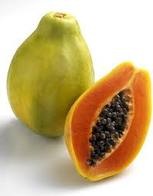
Papayas have vitamin C that works as an antioxidant and may also reduce absorption of cancer-causing nitrosamines from the soil or processed foods. Papaya contains folacin (also known as folic acid), which has been shown to minimize cervical dysplasia and certain cancers.


Raspberries contain many vitamins, minerals, plant compounds and antioxidants known as anthocyanins that may protect against cancer. A diet containing 5% black raspberries was more effective than a diet containing 10% black raspberries. Research reported in the journal Nutrition and Cancer in May 2002 shows black raspberries may also thwart colon cancer. Black raspberries are rich in antioxidants, thought to have even more cancer-preventing properties than blueberries and strawberries. 


Rosemary may help increase the activity of detoxification enzymes. An extract of rosemary, termed carnosol, has inhibited the development of both breast and skin tumors in animals. We haven't found any studies done on humans. Rosemary can be used as a seasoning. It can also be consumed as a tea: Use 1 tsp. dried leaves per cup of hot water; steep for 15 minutes. 


Red wine, even without alcohol, has polyphenols that may protect against various types of cancer. Polyphenols are potent antioxidants; compounds that help neutralize disease-causing free radicals. Also, researchers found the compound resveratrol, which is found in grape skins. It appears that resveratrol inhibits cell proliferation and can help prevent cancer. However, the findings didn't extend to heavy imbibers, so it should be used in moderation. In addition, alcohol can be toxic to the liver and to the nervous system, and many wines have sulfites, which may be harmful to your health. Note: some research indicates that alcohol is considered a class "A" carcinogen which can actually cause cancer - You should probably switch to non-alcoholic wines. 

Seaweed and other sea vegetables contain beta-carotene, protein, vitamin B12, fiber, and chlorophyll, as well as chlorophylones - important fatty acids that may help in the fight against breast cancer. Many sea vegetables also have high concentrations of the minerals potassium, calcium, magnesium, iron, and iodine.

Teas: Green Tea and Black tea contain certain antioxidants known as polyphenols (catechins) which appear to prevent cancer cells from dividing. Green tea is best, followed by our more common black tea. According to research, these polyphenols that are abundant in green tea, red wine and olive oil, may protect against various types of cancer. Dry green tea leaves, which are about 40% polyphenols by weight, may also reduce the risk of cancer of the stomach, lung, colon, rectum, liver and pancreas, study findings have suggested. 

Tapioca is derived from the cassava plant. It is one of the many plants that manufacture cyanide by producing a chemical called linamarine which releases hydrogen cyanide when it is broken down by the linamarase enzyme.


Nuts contain the antioxidants quercetin and campferol that may suppress the growth of cancers. Brazil nut contains 80 micrograms of selenium, which is important for those with prostate cancer. (Note: Many people are allergic to the proteins in nuts, so if you have any symptoms such as itchy mouth, tight throat, wheezing, etc. after eating nuts, stop. Consider taking a selenium supplement instead or work with someone on how to eliminate this allergy.)


Tomatoes contain lycopene, an antioxidant that attacks roaming oxygen molecules, known as free radicals that are suspected of triggering cancer. It appears that the hotter the weather, the more lycopene tomatoes produce. They also have vitamin C, an antioxidant which can prevent cellular damage that leads to cancer. Watermelons, carrots, and red peppers also contain these substances, but in lesser quantities. It is concentrated by cooking tomatoes. Scientists in Israel have shown that lycopene can kill mouth cancer cells. An increased intake of lycopene has already been linked to a reduced risk of breast, prostate, pancreas and colorectal cancer. (Note: Recent studies indicate that for proper absorption, the body also needs some oil along with lycopene.)


Mesothelioma, Cancer cause by Asbestos!


This information is about mesothelioma – a cancer of the thin membrane that lines the chest and abdomen. It describes the causes and symptoms of mesothelioma and what is likely to happen if you are diagnosed with this type of cancer.

Facts
Around 2,300 people are diagnosed with mesothelioma in the UK each year. Exposure to asbestos is the most common cause of mesothelioma. Mesothelioma doesn’t usually develop until 30–40 years after exposure to asbestos.
Surgery, radiotherapy and chemotherapy can all be used to treat mesothelioma. An important part of the care for people with advanced mesothelioma is using treatments to control symptoms.

What is Mesothelioma?
Mesothelioma is a tumor of the mesothelium. This is the thin membrane that lines the chest and abdomen (tummy) and surrounds the organs in these areas.

A cancer of the mesothelium is called a malignant mesothelioma. However, it’s usually referred to simply as mesothelioma. There are other tumors of the mesothelium, such as adenomatoid tumors, benign cystic mesotheliomas and solitary fibrous tumors of the pleura.

Risk factors and causes of mesothelioma
Asbestos is the most common cause of mesothelioma. Up to 9 out of 10 cases of mesothelioma are caused by exposure to asbestos fibers.
Occasionally, mesothelioma develops in people who have never been exposed to asbestos. The other causes of the disease are not fully understood, but in rare cases mesothelioma has been linked to exposure to radiation.
Mesothelioma is not infectious and can’t be passed on to other people. It isn’t caused by inherited faulty genes, so family members don’t have an increased risk of developing it, unless they have been in contact with asbestos.

People most likely to have been exposed to asbestos at work include:
Joiners and construction workers
Plumbers
Electricians
Boilermakers
Shipbuilders.
These jobs were mostly done by men. Mesothelioma is five times more common in men than in women.
People who have not worked directly with asbestos can also sometimes develop mesothelioma. These include:
Family members of people who’ve worked with asbestos and brought the dust home on their clothes
People who lived near asbestos factories
People who worked in buildings containing asbestos materials, which were disturbed or damaged.

Symptoms of mesothelioma
The symptoms of mesothelioma may include any of the following:
Breathlessness, chest wall pain which feels heavy and dull or aching, weight loss, fever, sweating (especially at night), hoarseness – this happens when there is pressure on the nerve that supplies the voice box, cough that doesn’t go away, abdominal pain and swelling (peritoneal mesothelioma).
These symptoms can be caused by conditions other than cancer, but you should always have them checked out by your doctor, particularly if they don’t go away after a couple of weeks.

Currently, there is no cure for mesothelioma unless it can be completely removed by surgery. Unfortunately, when mesothelioma is diagnosed, it has usually already spread beyond the point where it could be completely removed by surgery. In this case, the aim of treatment is to control symptoms.
Different treatments can be used for mesothelioma. Chemotherapy and radiotherapy are the most commonly used treatments. These treatments may be used to control symptoms such as pain, or to control the cancer for as long as possible. Research has shown that chemotherapy may help some people live longer.
Occasionally, surgery may be used to help control pleural effusions caused by the mesothelioma. However, there is no evidence that surgery can help people with mesothelioma live longer. 

Prognosis
The prognosis for malignant mesothelioma is rarely favorable, which is why early diagnosis is so incredibly important. Yet as mentioned above, there are great strides being taken in the medical and scientific communities to ensure that life expectancy and survival rates continue to climb for patients as researchers continue to find a cure.

Common Cause of Cancer


Doctors cannot explain why one person develops cancer and others do not. But research shows that certain risk factors increase the chances that a person will develop cancer. These are risk factors for the most common cancer:
·         Age
·         Tobacco or cigarettes smoking
·         Exposure to sunlight
·         Ionizing Radiation
·         Some viruses and bacteria
·         Alcohol
·         Certain hormones
·         Family history of cancer
·         Alcohol
·         Certain chemicals and other substances
·         Poor diet, physical inactivity, excess weight

Many of these risk factors can avoid. Others, such as family history, cannot be avoided. People can protect themselves by staying away from known risk factors whenever possible.
If you think you might be at risk of cancer, you should discuss this issue with your doctor. You may want to ask about risk reduction and test plans.
Over time, several factors may act together to cause normal cells to become cancerous. Thinking about cancer risk, here are some things to consider:

Not everything can cause cancer.
Cancer does not cause by injury, such as a bump or bruise.
Cancer is not contagious. Despite infection with certain viruses or bacteria may increase the risk of certain cancers, one cannot "catch" cancer from another person.
Have one or more risk factors do not mean you will get cancer. Most people who have risk factors never develop cancer.

Age
The most important risk factors for cancer are growing. Most tumors occur in people over 50 years of age. But people of all ages, including children, can get cancer, too.
Tobacco use or Cigarettes Smoking
The use of tobacco is the leading cause of preventable death. Each year, more than 150,000 Americans die of cancer associated with tobacco use.
The use of tobacco or products regularly being around tobacco smoke (passive smoking or secondhand smoke) increases the risk of cancer.
Smokers are more likely than nonsmokers to develop lung cancer, larynx (voice box), mouth, esophagus, bladder, kidney, esophagus, stomach, pancreas, and cervix. They are also more likely to develop acute myeloid leukemia (cancer that begins in blood cells).
People who use smokeless tobacco (snuff and chewing tobacco) are at increased risk of oral cancer.

Quitting from smoking is important for anyone using tobacco - even people who used it for many years. The risk of cancer for people who stop is less than the risk for people who continue to use tobacco. (But the risk of cancer is usually less than those who never used tobacco.)
Moreover, for people with cancer, quitting smoking can reduce the risk of another cancer.
Exposure to Sunlight
Ultraviolet (UV) from the sun, sunlamps, and tanning booths. This causes premature aging and skin damage that can lead to skin cancer.
Doctors encourage people of all ages to limit their time in the sun and avoid other sources of UV radiation:
It is best to avoid the midday sun (from mid-morning to late afternoon) as possible. You should also protect against UV radiation reflected by sand, water, snow and ice. UV rays can penetrate light clothing, windshields and windows.
The ionizing radiation
Ionizing radiation can cause cell damage that leads to cancer. This kind of radiation comes from rays that enter the atmosphere of Earth from outer space, radioactive fallout, radon gas, x-rays and other sources.
The radioactive fallout can come from accidents at nuclear facilities in the production or testing, or deployment of nuclear weapons. People exposed to fallout may be at increased risk of cancer, especially leukemia and cancers of the thyroid, breast, lung and stomach.
Some viruses and bacteria
Being infected with certain viruses or bacteria may increase the risk of developing cancer:
Hepatitis B and hepatitis C viruses: Liver cancer can develop after many years of infection with hepatitis B or hepatitis C.
Human immunodeficiency virus (HIV): HIV is the virus that causes AIDS. People who have HIV infection are at greater risk of cancer, such as lymphoma and a rare cancer called Kaposi's sarcoma.
Alcohol
Having more than two drinks a day over many years may increase the likelihood of developing cancer of the mouth, throat, esophagus, larynx, liver and breast. The risk increases with the amount of alcohol you drink. For most of these tumors, the risk is higher for a drinker who uses tobacco.
Family History of Cancer
If you think you have a model of some types of cancer, your family, you should talk to your doctor. The doctor may recommend as trying reducing the risk of cancer. The doctor may also suggest the tests can detect early cancer.
You could ask your doctor about genetic testing. These tests can determine some heritable genetic changes that increase the risk of developing cancer. But inherited genetic mutation does not mean you will definitely develop cancer. This means they have a higher chance of developing the disease.
Certain chemicals and other substances
People who have certain jobs (such as painters, construction workers, and those in the chemical industry) have an increased risk of cancer. Many studies have shown that exposure to asbestos, benzene can, Benzidine, cadmium, nickel, or vinyl chloride in the workplace lead to cancer.
Poor diet, physical inactivity, excess weight
People with a poor diet, lack of exercise or being overweight may be at increased risk of certain cancers. For example, studies show that people whose diets are high in fat has a higher risk of colon cancer in the uterus, and prostate. Physical activity and obesity are risk factors for breast cancer, colon, esophagus, kidney and uterus.
Related Posts Plugin for WordPress, Blogger...
 

Like us on Facebook

Followers

Flag Counter